

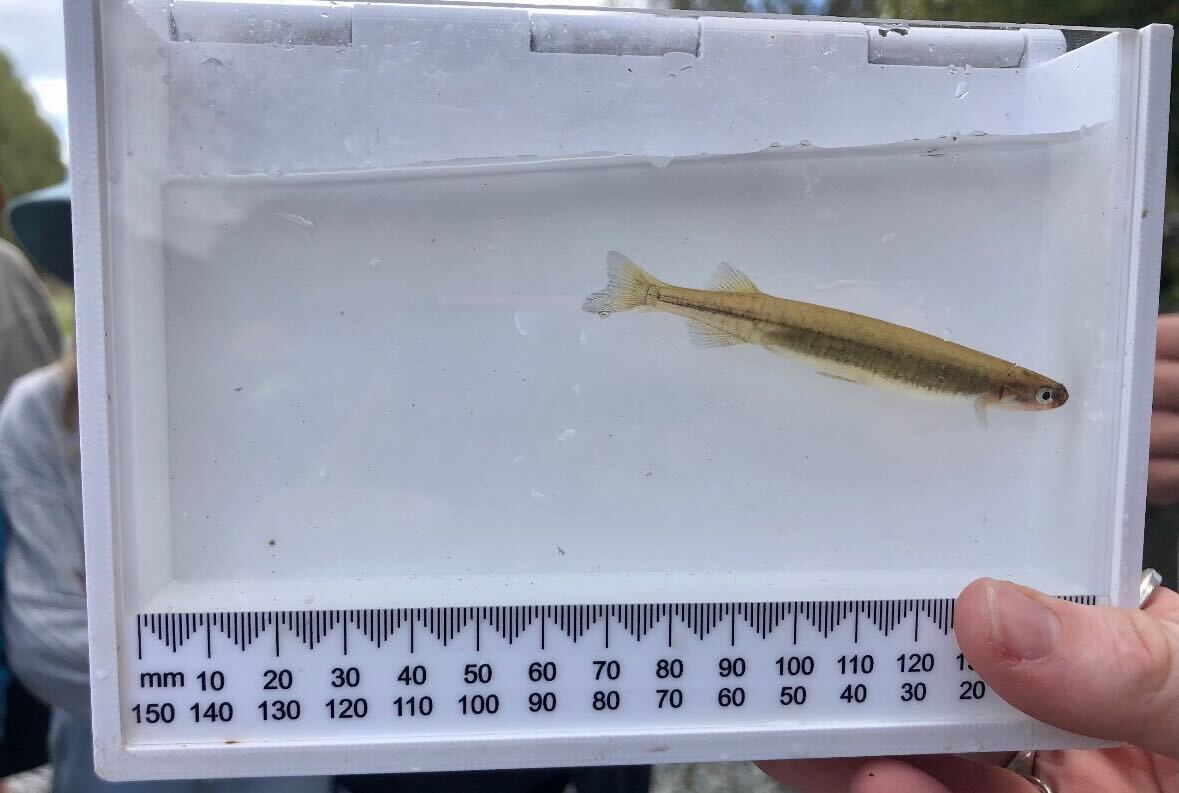
What can the spawning patterns of a small native fish tell us about the health of an awa? Over autumn 2026, Mountains to Sea Wellington and Ātiawa ki Whakarongotai Charitable Trust worked together to find out. Three months of monitoring revealed almost half a kilometre of īnanga spawning habitat in the lower Waikanae catchment, and some clear clues about where restoration could make the biggest difference.
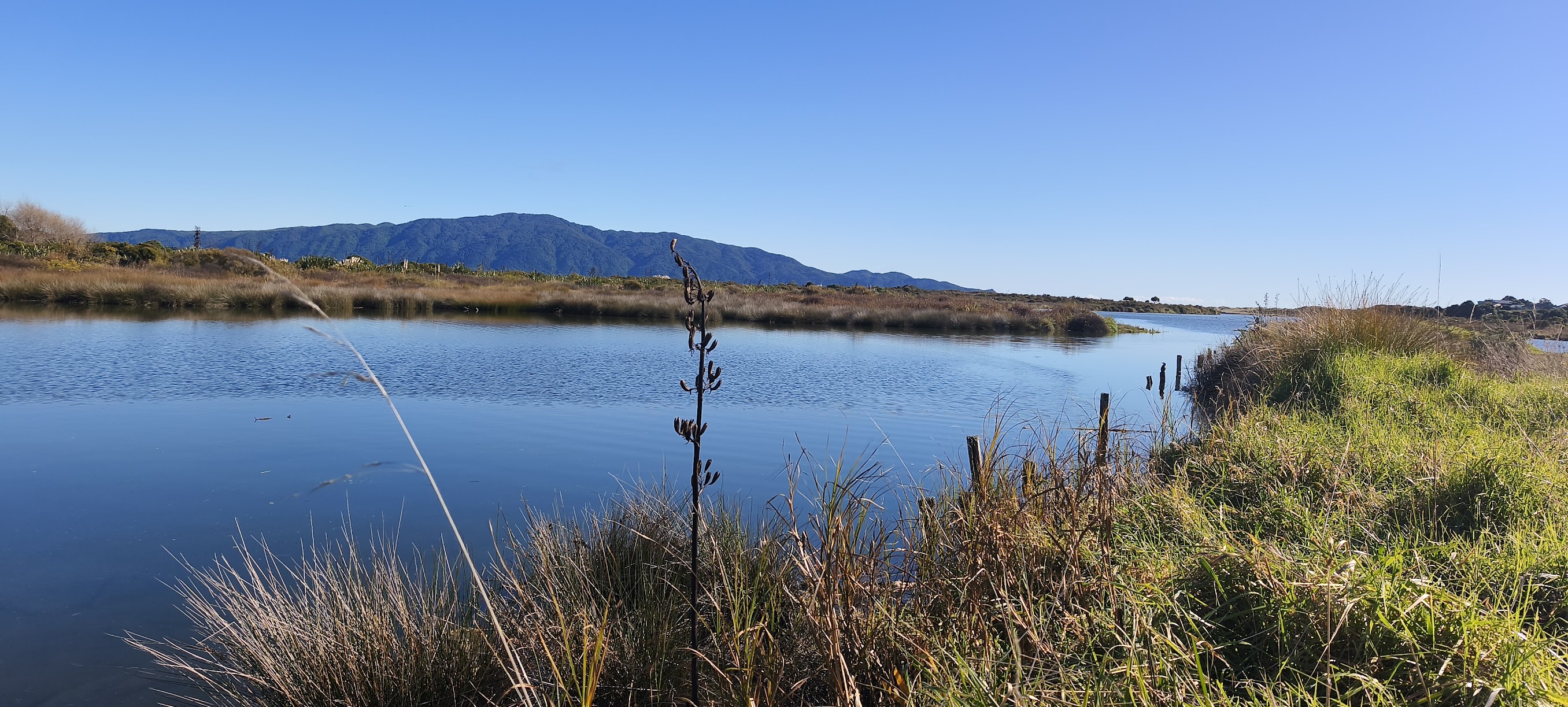
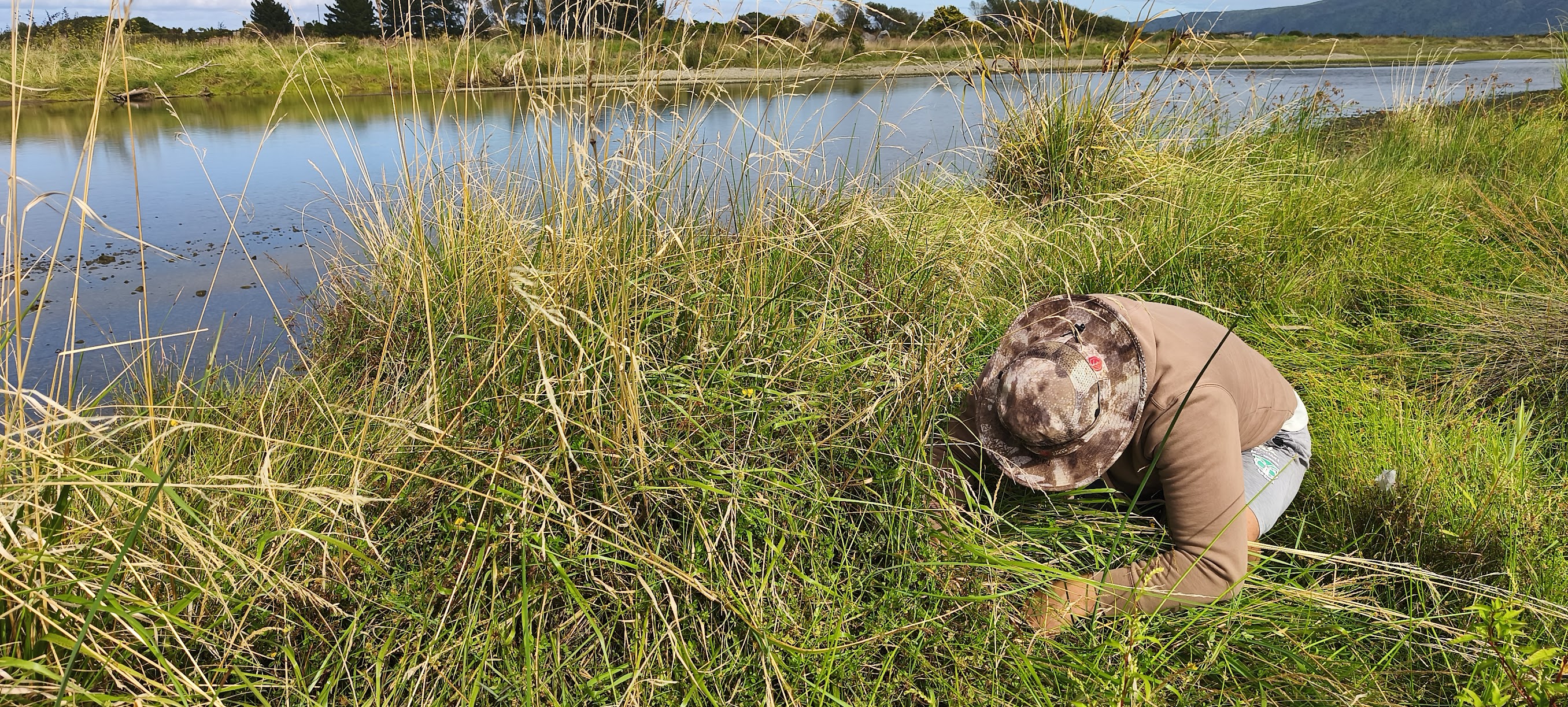
There is a particular kind of attention that comes with looking for īnanga spawning. You start noticing the shape of the riverbank, the height of the tide, the vegetation at the water’s edge. You crouch down on hands and knees to look for tiny eggs tucked into roots and grass. You watch where fish are moving, and where birds are feeding. You begin to see the awa a little differently.
This was the focus of our autumn 2026 īnanga spawning investigations in the Waikanae Awa, led by Mountains to Sea Wellington alongside Ātiawa ki Whakarongotai Charitable Trust, through the Waikanae Ki Uta Ki Tai partnership.
And the closer we looked, the clearer it became that īnanga have story to tell about the river.
The lower Waikanae Awa is a highly modified landscape, moving through forest, urban areas, flood management works, wetlands and the estuary. The Waimeha Lagoons and Kotuku Whenua/Mazengarb Stream add further waterways to the system.
Among these altered environments are places where īnanga still return to lay their eggs.
.jpg)
Our aim was to understand where they are spawning, how spawning changes through the season, and where restoration could make a difference.
For Te Ātiawa ki Whakarongotai, the Waikanae Awa is a living cultural landscape, carrying whakapapa, mahinga kai and responsibilities of kaitiakitanga from the mountains to the sea.
Restoring īnanga spawning habitat is one of the priorities of the Waikanae Ki Uta Ki Tai partnership, with a goal of restoring spawning habitat throughout the catchment by 2035. With funding from the Department of Conservation, Mountains to Sea Wellington and Ātiawa ki Whakarongotai Charitable Trust undertook targeted spawning research from March to May 2026 to help support that work.
Our monitoring brought together the standardised National Īnanga Spawning Project methods with mātauranga ā iwi, and observations of the taiao. This helped us look beyond individual egg patches to understand spawning sites within the wider landscape. Together, they help build a more complete picture of the awa for restoration planning, kaitiakitanga and broader relationship between people and the awa.
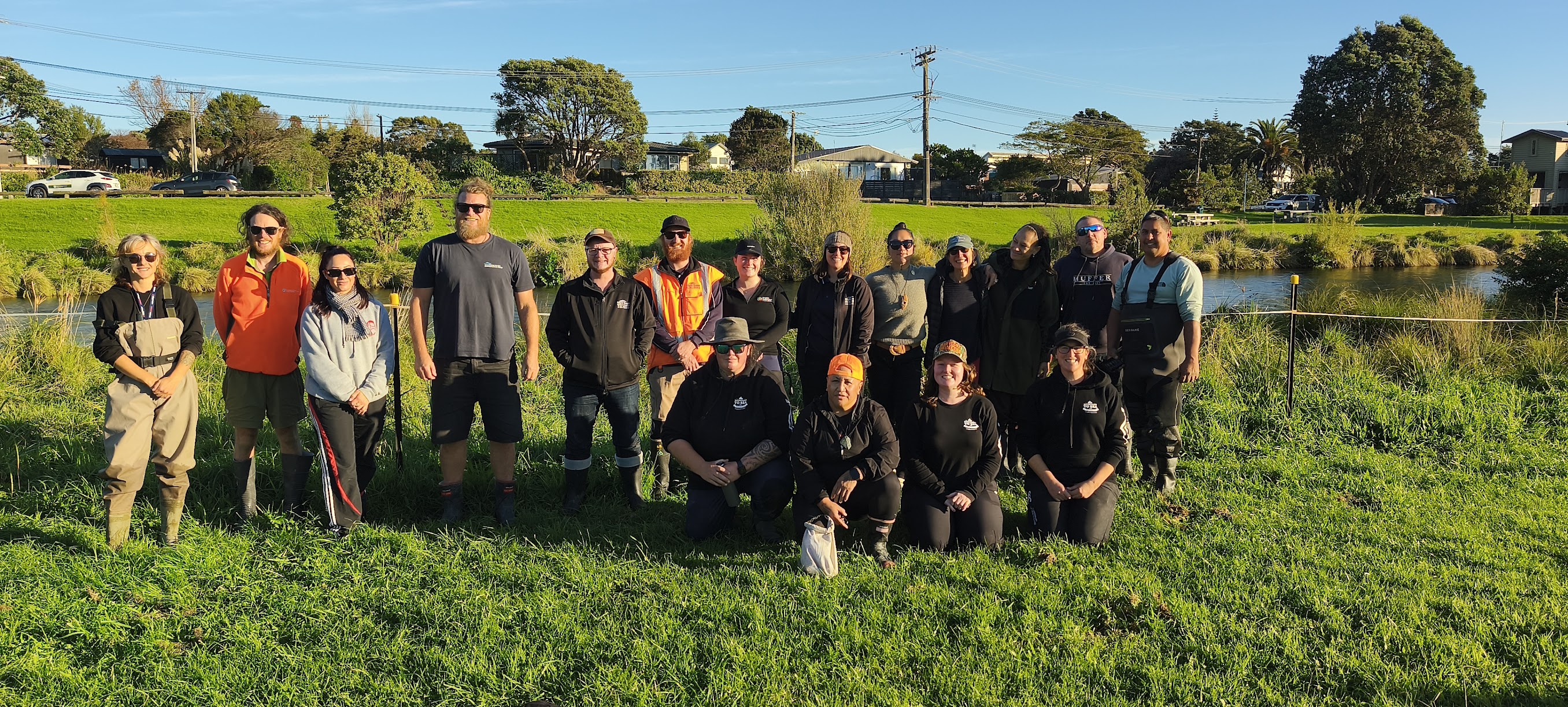
During the season, we also held a wānanga in Waikanae, bringing together mana whenua from across the region to share moemoeā and knowledge about īnanga and our waterways. Getting out onto the awa together provided an opportunity to examine spawning habitat, learn practical techniques, share observations and think about what restoration could look like across different rohe.
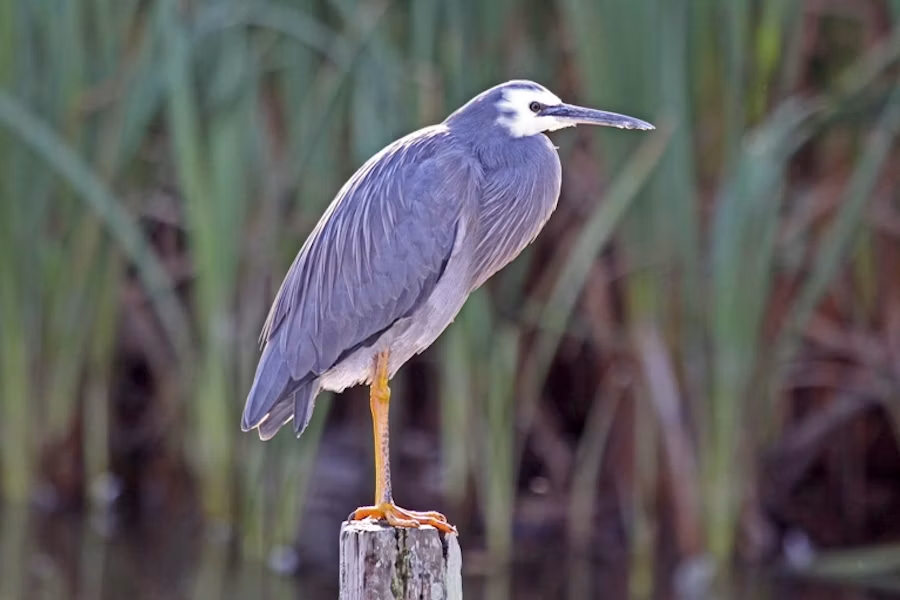
Back on the awa, we searched for spawning activity and eggs and assessed habitat at each site. The signs were not always obvious. Manu and ika provided important clues, with matuku moana feeding around the river margins helping point us towards places where īnanga were active.
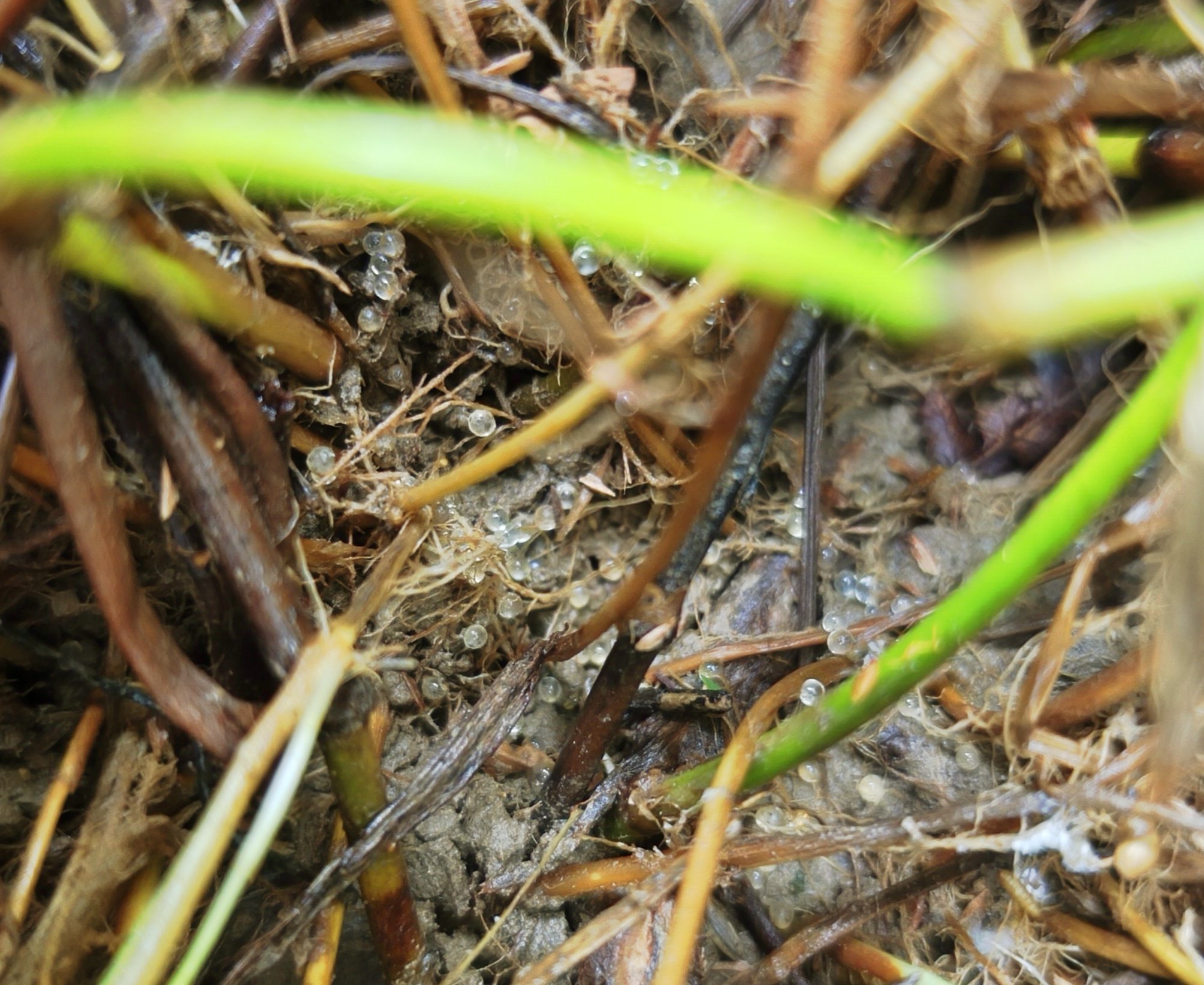
By the end of the season, we have observed 3 different spawning events and found eggs across approximately 492 metres of riverbank.
But īnanga were not using all suitable-looking habitat equally.
Their spawning sites depend on several things lining up: tide, vegetation, bank shape and water levels. Vegetation alone is not enough if the bank itself is unsuitable.
A recently restored stretch of the awa showed just how quickly things can change. Replanting and shaping the river margin created suitable spawning habitat within a season, even while the new planting was still young. Similar opportunities exist in the Mazengarb stream, where īnanga are already using narrow strips of habitat, that could be widened through targeted restoration.
Then, in April, a major flood gave us another insight into just how dynamic spawning habitat can be.
The flood changed the riverbank almost overnight. Afterwards, īnanga had shifted their spawning higher up the bank, away from areas affected by the flood.
It was a useful reminder that spawning habitat is not static. And that what happens further upstream, including how wetlands, floodplains and flood flows are managed, can have a big influence on what happens down in the estuary.
Three months of following the īnanga has given us a much clearer picture of where and how they are spawning in the lower Waikanae.
Now the work is to put that knowledge to use: protect the places īnanga are already using, restore habitat where there are opportunities, and keep watching as the awa changes.
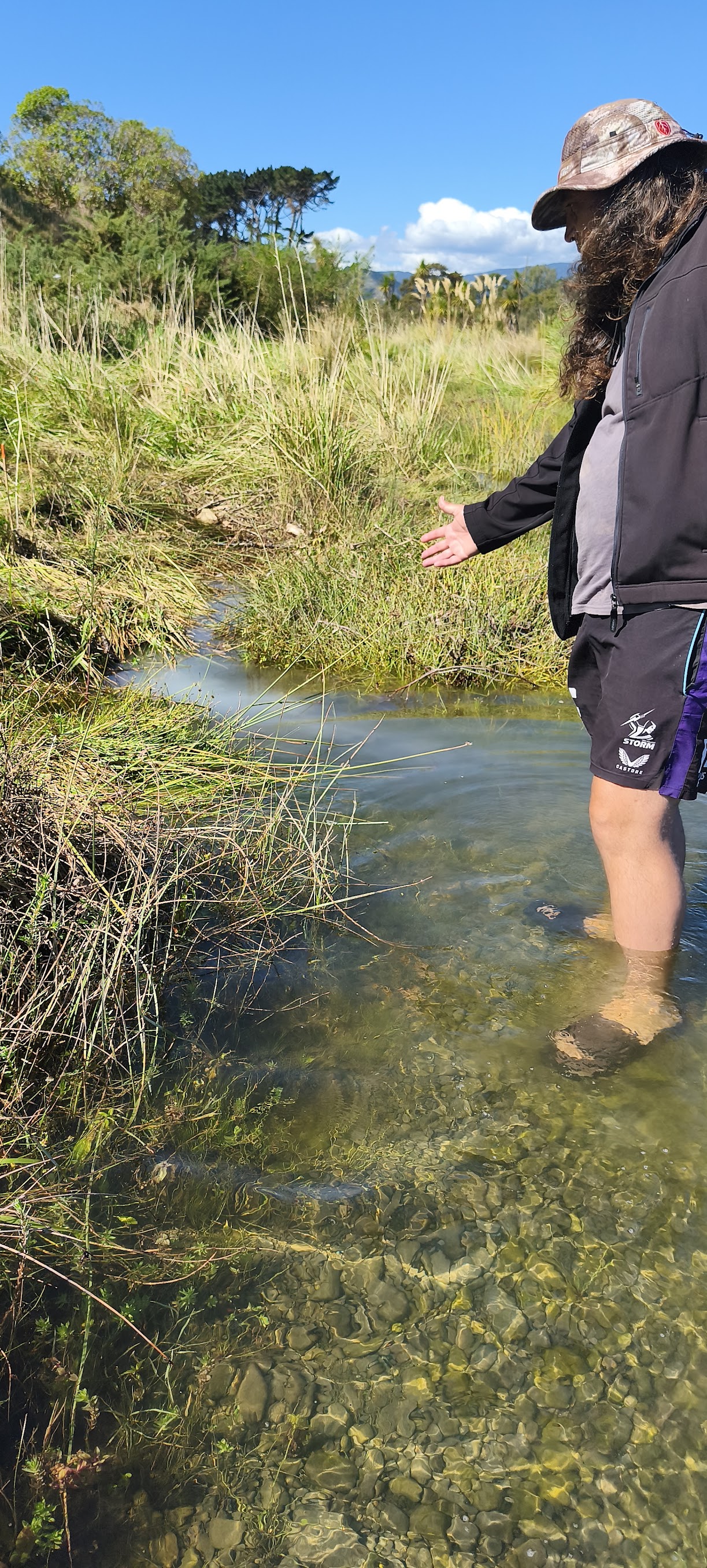
There is a role for all of us in this. Get to know your local awa, look closely at what is happening along its margins, and support the restoration of the places that īnanga and other taonga species depend on. If you see īnanga spawning or notice something changing in your local waterway, share what you see, these observations can help build our understanding of the awa.
The īnanga are showing us where to look. The next step is to listen, and act.
Are you interested in getting involved in surveys with us? We’ll be back at it again soon across the region, with events and training sessions on īnanga spawning monitoring and restoration. Keep an eye on our events page or drop us an email to freshwater@mtsw.org.nz and we can let you know when something is coming up.
This work was undertaken by Mountains to Sea Wellington and Te Ātiawa ki Whakarongotai Charitable Trust through the Waikanae Ki Uta Ki Tai partnership, with funding from the Department of Conservation’s Ngā Awa programme.


